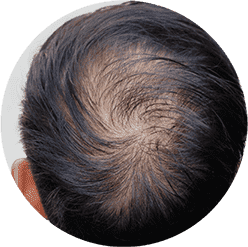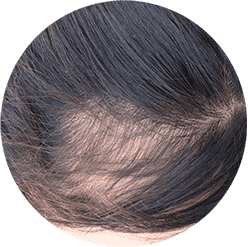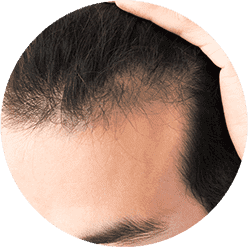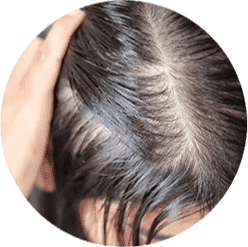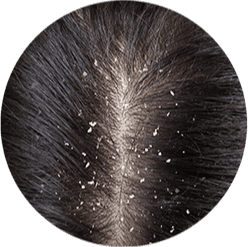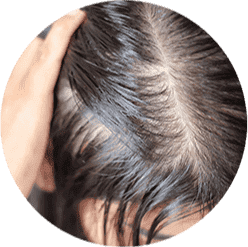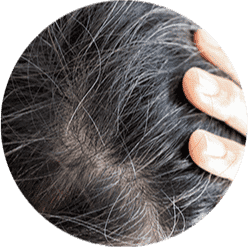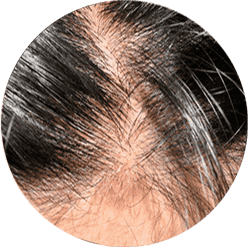

In Traditional Chinese Medicine (TCM) Theory, hair and scalp issues are intricately linked to the balance of 'Qi,' the vital life force, and inadequate blood circulation. Key organs such as the kidneys, liver, heart, lungs, spleen and stomach play a crucial role in fostering optimal hair and scalp health.
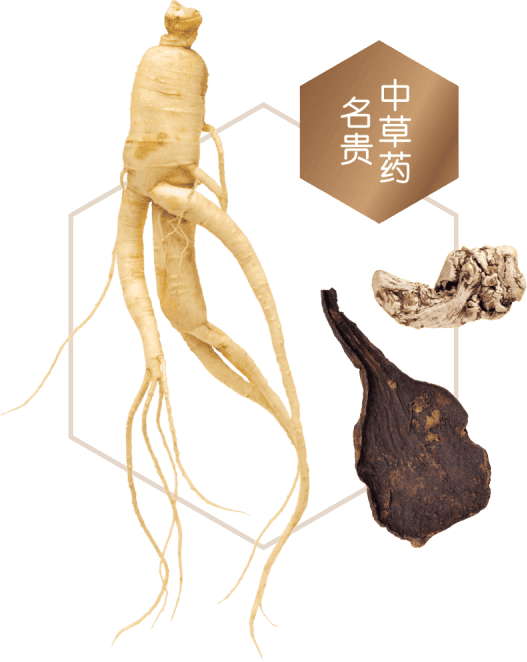
At Beijing 101, our knowledgeable experts meticulously select premium Chinese herbs, including Ginseng, Dang Gui and He Shou Wu, to nourish key organs and effectively regulate 'Qi' and blood flow. Our Signature Meridian Scalp Massage, grounded in TCM Theory and complemented by insights from Western anatomy and pathology, is designed to release 'Qi' blockages and enhance blood circulation.
We tailor individualised solutions, employing a holistic approach by our team of experienced TCM physicians to enrich hair and scalp health. Trust Beijing 101 to unveil the beauty of your hair through the harmonious blend of ancient wisdom and modern expertise!
In Traditional Chinese Medicine (TCM) Theory, hair and scalp issues are intricately linked to the balance of 'Qi,' the vital life force, and inadequate blood circulation. Key organs such as the kidneys, liver, heart, lungs, spleen and stomach play a crucial role in fostering optimal hair and scalp health.
At Beijing 101, our knowledgeable experts meticulously select premium Chinese herbs, including Ginseng, Dang Gui and He Shou Wu, to nourish key organs and effectively regulate 'Qi' and blood flow. Our Signature Meridian Scalp Massage, grounded in TCM Theory and complemented by insights from Western anatomy and pathology, is designed to release 'Qi' blockages and enhance blood circulation.
We tailor individualised solutions, employing a holistic approach by our team of experienced TCM physicians to enrich hair and scalp health. Trust Beijing 101 to unveil the beauty of your hair through the harmonious blend of ancient wisdom and modern expertise!
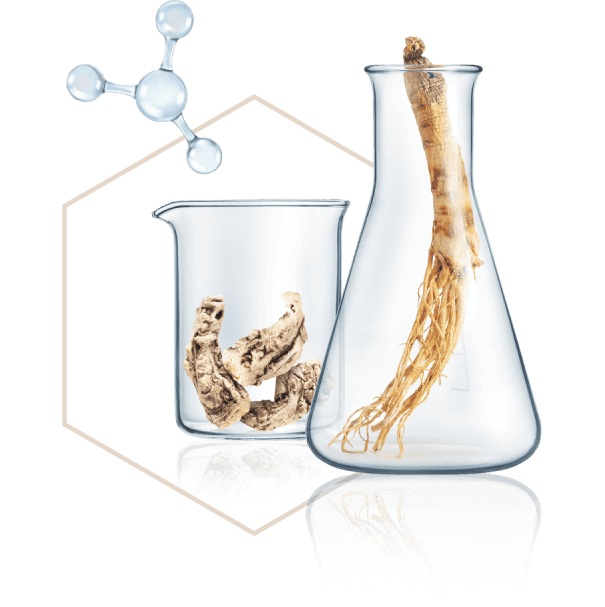
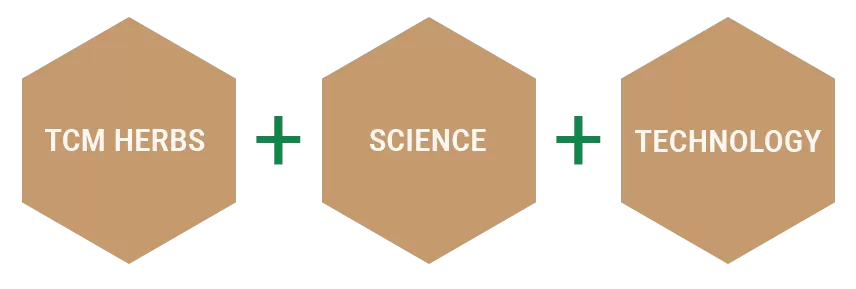
At Beijing 101, we seamlessly integrate the latest hair and scalp therapy into our treatments.
Through the utilisation of modern technology, we extract the essence of our premium TCM herbs, ensuring they are optimised for promoting healthy hair growth. Our unwavering commitment rests in the harmonious fusion of TCM and modern techniques, delivering unparalleled care for your hair and scalp.
Hair loss can occur due to various causes, and that is why every concern requires personalised care.
Founded in 1974 and renowned for its expertise in addressing a wide range of hair + scalp concerns, Beijing 101 has numerous success stories from customers who have tried the customised treatments in Singapore, such as: TCM ReGenesis Hair Growth Treatment to reduce hair loss and support hair growth, as well as Tri-Action Scalp Revival Treatment to tackle dandruff, itchy/oily scalp issues for women and men.



Bedok Mall
Causeway Point
Century Square
Funan
JEM
NEX
Northpoint City North Wing
T&Cs apply. | *Research conducted by Ipsos, Feb 2024. | Copyright © 2024 Beijing101Hair.com | All Rights Reserved. | Privacy Policy